
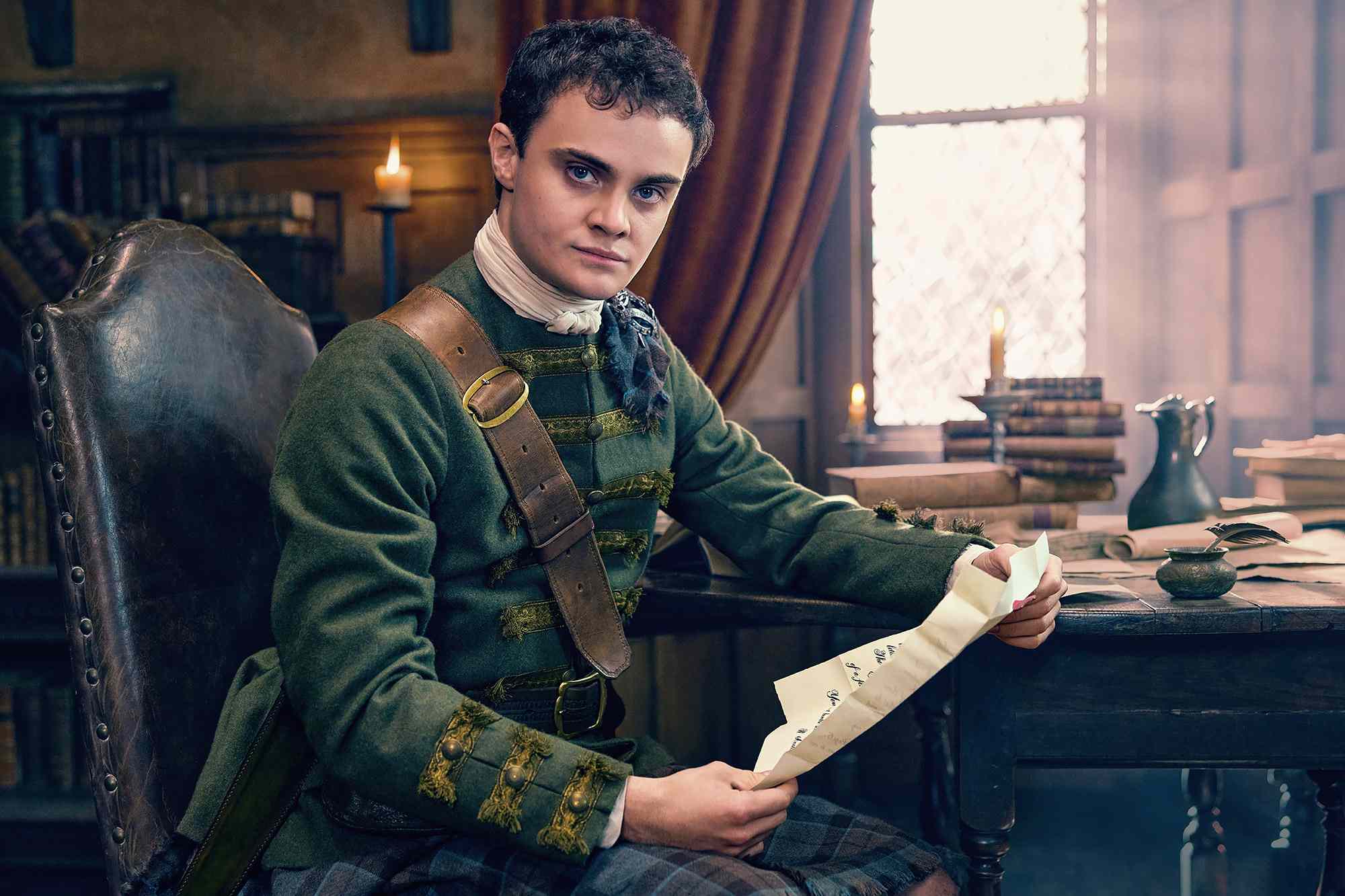
In the original Outlander series, Claire identifies Colum MacKenzie’s condition as Toulouse-Lautrec syndrome, now also known as pycnodysostosis. Blood of My Blood gives that history fresh weight in “Another Man’s Shadow,” when Colum fears his newborn son has inherited the same condition. The episode’s real question is not whether Colum can name every part of his illness. It is what happens when a man who has spent his life being judged by his body begins to believe that judgment is the only future his child can have.
That distinction matters. Colum’s condition shapes his life and affects how other people read his capacity to lead. It does not make him less intelligent, less worthy of love, or less capable of ruling. The tragedy of Episode 9 comes from a frightened father treating his own suffering as a prophecy for his son—and making a terrible choice because he believes the prophecy.
This Week’s Blood Of My Blood Coverage
Get The Droughtlander Dispatch
Smart Outlander and Blood of My Blood updates — episode coverage, podcast drops, character guides, history explainers, and the stories worth remembering.
What condition does Colum have?
Claire gives the diagnosis in the original series: Toulouse-Lautrec syndrome. The condition is also known by the medical name pycnodysostosis. In the MacKenzie story, its most visible effects involve Colum’s legs, mobility, pain, and the way his bones heal. Blood of My Blood has shown young Colum living with the consequences of injury and a body that does not recover as other people expect. Episode 9 brings that history into the open when he tells Dougal he believes he passed his condition to his son.
The episode lets us hear Colum’s reasoning through specific details. Dougal reminds him of the stallion’s fall and the injury that followed. Colum points back to his legs and the slow healing that has marked his life. He is not making a detached medical assessment. He is remembering every time his body has hurt, failed him, or become evidence other people use to question whether he can lead.
The franchise has told this history in more than one way. In the original series, Claire names Toulouse-Lautrec syndrome. Blood of My Blood also dramatizes the injury that shaped young Colum’s mobility. Episode 9 does not pause to reconcile every detail into a neat medical timeline. Its immediate story is Colum’s fear: he sees his son’s body, recognizes something familiar, and imagines the same pain stretching across the boy’s entire life.
The baby’s breathing changes the scene
After Letitia gives birth, the adults look for an explanation. Mrs. Fitz connects the open window with the Fair Folk and the possibility of a changeling. Letitia accepts that story because the baby is suffering and because the belief offers a way to imagine the child she expected might still be returned to her. Then the camera and sound keep bringing us back to the baby’s labored breathing.
That detail is the scene’s moral center. The child is not an idea, a curse, or a test of Colum’s courage. He is a newborn struggling to breathe while the people around him decide what his body means. The folklore makes emotional sense in a world without modern medical knowledge, yet it also gives the adults a story that distances them from the child who needs their care.
Colum follows Letitia’s plea and carries the baby to the Faery Hill. The act is meant to invite an exchange: leave the child believed to be a changeling, and perhaps the Fair Folk will return their “real” son. At first light, Colum finds the baby still there and dead. The ritual has not rescued anyone. It has left a fragile child alone in the cold.
Colum’s body becomes the story he tells himself
When Colum speaks to Dougal afterward, the episode gives his guilt a sharper edge. He knows the baby was theirs. He believes the same condition that has shaped his life passed to the child. His fear is not only that the boy would suffer. Colum also fears that he has given his son a future already defined by pain, dependence, and other people’s contempt.
That fear is understandable. His decision remains his. Colum’s condition did not carry the baby to the hill; Colum did. The story becomes most powerful when it allows both facts to stand together. His anguish deserves compassion, and his choice caused irreversible harm.
The episode also asks us to notice the stigma beneath Colum’s self-blame. He has lived in a political world where leadership is often confused with physical strength. That prejudice has followed him into his own thoughts. He looks at his son and sees the same limitations others have attached to him. The episode’s tragedy comes from a society that gives Colum few models for imagining a disabled child’s life, then from Colum’s decision to accept that narrowed vision as fate.
That is my take on the storyline: the condition is part of Colum’s history, while the episode’s deepest subject is the way fear turns difference into destiny. The baby’s labored breathing, Colum’s references to his legs, and his confession to Dougal give us concrete reasons for his panic. They also keep the audience from confusing his disability with the moral failure at the center of the story. Colum deserves to be seen as a leader and a father; the baby deserved to be held and cared for.
Why the episode matters to the MacKenzie story
“Another Man’s Shadow” links Colum’s private grief to the public role he has occupied. His son’s birth should have secured an heir. Instead, Colum returns from the hill unable to resume his place in the household or the hall. Dougal steps toward the laird’s chair while Colum retreats from his marriage, telling Letitia that he cannot lie with her again. Letitia’s answer—asking him to be her husband instead of the laird—cuts through titles and succession. She is asking for the man she loves to remain with her in grief.
The episode refuses an easy repair. Colum has to live with the result of his choice; Letitia has to grieve both her son and the distance opening between her and her husband. Dougal gains authority in the same hour that his brother loses the son he hoped would carry on the family line. That collision is why Colum’s condition belongs in the larger conversation about leadership, inheritance, and the future of Clan MacKenzie.
For the full scene-by-scene argument, read our Episode 9 KJR, then follow the Blood of My Blood Season 2 guide and our existing Colum and Dougal explainer.