Limited Podcast Series · 6 Episodes · 5 Craft Explainers
Rise Up: Our Complete Hamilton Podcast & Story Analysis
Rise Up is Mary & Blake’s complete Hamilton podcast and analysis collection, exploring why the musical works, how it reshapes history, why Aaron Burr is the perfect dramatic opponent and how Alexander Hamilton’s greatest strengths ultimately become the engine of his downfall.
Across six podcast episodes, five focused explainers and our review of the filmed Broadway production, we treat the songs as dramatic scenes, relationships as engines of conflict and history as material transformed into pressure, choice, consequence and legacy.
You can listen to the limited series in order, trace Hamilton and Burr from “Wait For It” to the final duel, or jump directly to the question about the musical you want answered.
Listen Or Watch
Start With The Rise Up Podcast
The six-episode series moves from our personal relationship with Hamilton into history, structure, protagonist, antagonist and the supporting characters who complete the musical’s dramatic world.
Want the time-capsule version? You can also hear our original Rise Up series announcement.
Choose Your Path
What Do You Want To Understand About Hamilton?
Start With The Musical
Why Is Hamilton So Good?
Start with our original conversation about the music, characters, performances and emotional honesty that turned us from skeptics into devoted fans.
Start Here →
History
How Historically Accurate Is Hamilton?
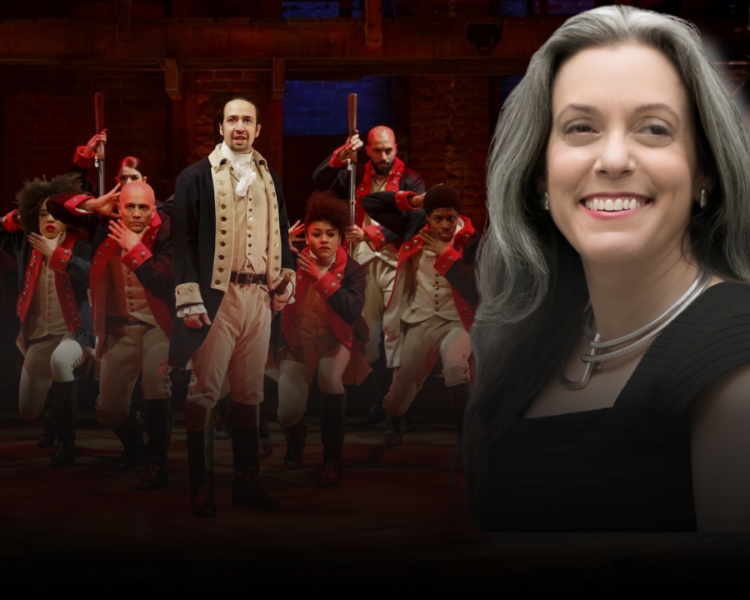
Yale historian Joanne Freeman joins us to explain the real Hamilton, Burr, political violence and what the musical preserves, compresses or changes.
Explore The History →
The Central Relationship
Follow Hamilton & Burr To The Duel
Trace Burr’s philosophy from “Wait For It” through political exclusion, wounded honor and the final reversal that destroys both men.
Follow The Tragedy ↓
Character Analysis
Why Is Hamilton His Own Worst Enemy?
Hamilton’s intelligence, ambition, resilience, insecurity and pride are inseparable. His greatest gifts repeatedly create his worst choices.
Analyze Hamilton →
Story Structure
Is Hamilton A Tragedy?
Explore the rise-and-fall structure, Hamilton’s fatal weakness, Burr’s narration and why Eliza ultimately changes the meaning of the ending.
Explore The Tragedy →
Disney+ Film
Is The Hamilton Movie Worth Watching?
See how Thomas Kail’s close-ups, editing and camera placement reveal performances and character details differently than a theater seat can.
Read The Movie Review →
The Hamilton–Burr Tragedy
Five Choices That Lead To The Final Duel
Hamilton and Burr’s relationship is the dramatic spine of the musical. These five explainers create one continuous path from Burr’s original philosophy of patience through exclusion, political rejection, wounded honor and the final reversal that destroys them both.
1 · Philosophy
“Wait For It”: Why Aaron Burr Chooses Patience
Burr turns love, loss and uncertainty into a philosophy of control. Waiting feels like survival — until the story begins proving that refusing to choose has consequences of its own.
Read “Wait For It” Explained →
2 · Desire
“The Room Where It Happens”: Why Burr Stops Waiting
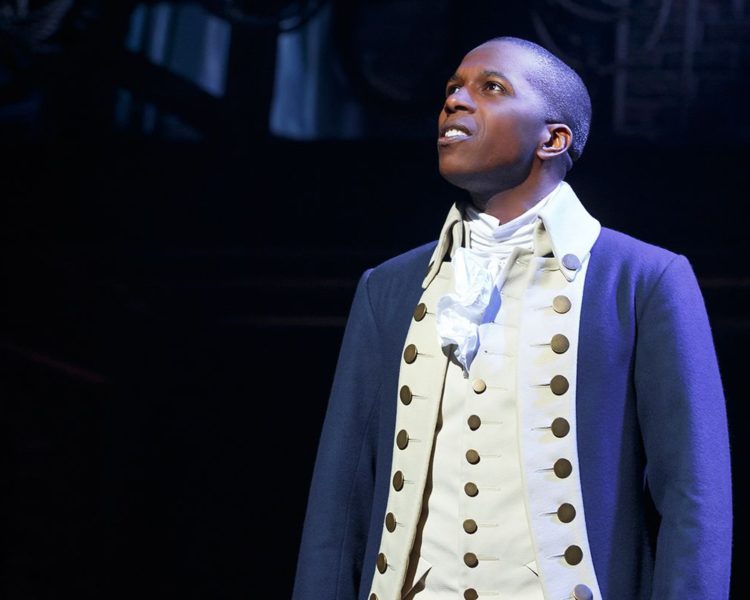
The private compromise among Hamilton, Jefferson and Madison gives Burr evidence that patience has kept him outside the decisions that create history. For the first time, he openly names power as something he wants.
Read “The Room Where It Happens” Explained →
3 · Rejection
Why Did Hamilton Choose Jefferson Over Burr?
Hamilton ultimately trusts a principled enemy more than Burr’s flexible pursuit of office. To Burr, the rejection confirms that Hamilton is no longer simply a rival. He is the man standing between Burr and the future he believes he has earned.
Why Hamilton Chose Jefferson →
4 · Escalation
“Your Obedient Servant”: How Politeness Becomes A Weapon
Formal language gives both men the appearance of restraint while each message narrows the other man’s options. Political resentment becomes a personal honor conflict neither seems capable of de-escalating.
Read “Your Obedient Servant” Explained →
5 · Reversal
Did Hamilton Throw Away His Shot?
The duel completes the tragedy by reversing both men’s defining strategies. Burr acts when restraint might save them. Hamilton discovers restraint only after pride and public honor have already brought him to the field.
Explore The Final Duel →
Why Hamilton And Burr Need Each Other
Hamilton and Burr form the musical’s central relationship because each man exposes the danger in the other’s worldview. Hamilton believes action, authorship and relentless work will allow him to shape his future. Burr believes survival depends on patience, flexibility and waiting until the correct path becomes clear.
Hamilton possesses the urgency Burr lacks. Burr possesses the restraint Hamilton repeatedly needs. Each man sees a quality in the other that could improve his life while simultaneously threatening the identity he has built around himself.
The final duel becomes emotionally inevitable even though it remains avoidable at almost every step. The tragedy is not simply that two rivals hate one another. It is that both men eventually learn something valuable from the other and apply the lesson at the worst possible moment.
Featured
Hamilton Movie Review: What The Camera Lets Us See
The Disney+ film is the easiest visual entry into our Hamilton collection. It preserves the original Broadway production while using close-ups, editing and carefully selected angles to reveal acting choices that can be difficult to absorb from a theater seat.
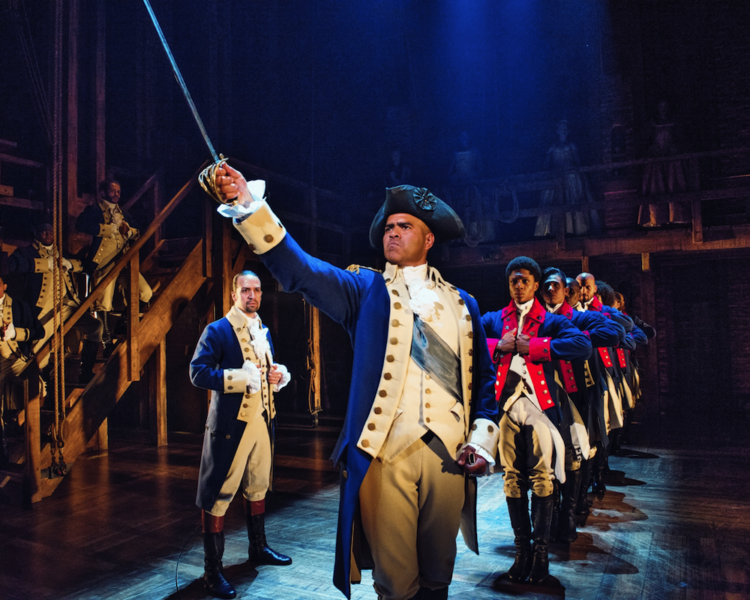
Our review looks closely at Leslie Odom Jr.’s transformation during “The Room Where It Happens,” Phillipa Soo’s devastating work in “Burn,” Christopher Jackson’s restraint in “One Last Time” and the filmmaking choices that allow a recorded stage production to function as its own screen experience.
Read Our Hamilton Movie Review →
The Complete Limited Series
Listen To Rise Up In Order
The six episodes form a deliberate path through the musical: personal connection, historical context, dramatic structure, Burr as opponent, Hamilton as protagonist and finally the supporting character web surrounding them both.
Episode 1 · “Ok, So We’re Doing This”
Why Is Hamilton So Good?
We explain how we discovered Hamilton, which songs first pulled us into the musical and why its combination of music, character and emotional honesty became part of our lives.
Listen To Episode 1 →
Episode 2 · “History Has Its Eyes On You”
Is Hamilton Historically Accurate? With Joanne Freeman
Yale historian Joanne Freeman joins us to discuss Alexander Hamilton, Aaron Burr, political violence, the duel and the real historical world reshaped by the musical.
Listen To Episode 2 →
Episode 3 · “The Story Of Tonight”
Is Hamilton A Tragedy?
We examine the musical’s rise-and-fall structure, Hamilton’s fatal weakness, Burr’s narration and the way Eliza ultimately changes the meaning of the ending.
Listen To Episode 3 →
Episode 4 · “Aaron Burr, Sir”
Who Is The Antagonist In Hamilton?
Hamilton and Burr want influence, recognition and a place in history but pursue those goals through opposing strategies. We break down why Burr is the ideal narrator, foil and dramatic counterforce.
Listen To Episode 4 →
Episode 5 · “Non-Stop”
Alexander Hamilton Character Analysis
Hamilton’s intelligence, ambition, resilience, insecurity and pride make him magnetic and destructive. His greatest strengths repeatedly become the source of his worst choices.
Listen To Episode 5 →
Episode 6 · “Washington On Your Side”
Hamilton Musical Characters Explained
Washington, Eliza, Angelica, Jefferson, King George, Maria Reynolds, Laurens, Philip and the wider ensemble each expose another part of Hamilton and shape his rise, downfall and legacy.
Listen To Episode 6 →
The Mary & Blake Approach
We Treat The Songs As Scenes
Rise Up approaches the musical through character, history, music and dramatic craft. We are interested in what happens, but even more interested in why a scene works, why someone makes a particular choice and how that choice changes a relationship enough to create the next consequence.
Mary brings her perspective as a musician, music educator and musical-theater director, looking at vocal performance, staging, melody and the emotional effect created when performance and lyrics work together. Blake approaches the story through history, character desire, weakness, opposing strategies, structure and the dramatic consequences created when those forces collide.
We use craft ideas associated with Robert McKee, John Truby and Scriptnotes as lenses rather than formulas: scene value turns, progressive complications, moral choices, opponent design, exposition, point of view and the relationship between character change and plot.
The Character Web
Hamilton Becomes Clearer Through The People Around Him
Washington gives Hamilton authority, mentorship and an example of restraint. Eliza offers a life grounded in love and presence. Angelica recognizes his promise and the hunger that continually prevents him from feeling satisfied.
Jefferson challenges Hamilton’s political vision. Burr challenges his philosophy of action. Maria Reynolds creates the crisis that leads to his public collapse. Laurens and Philip give his losses emotional weight, while King George provides comedy and an outside perspective on the American experiment.
The supporting cast is not simply decoration around a great man. Each relationship applies different pressure to Hamilton and forces him to choose between competing versions of the person he wants to become.
Explore The Characters →
The Bigger Argument
Why Hamilton Works As Drama
Hamilton transforms biography into drama by giving historical figures clear desires, competing strategies, intimate relationships and choices with lasting consequences. The songs move the story forward because they function as scenes rather than pauses in the action.
“Wait For It” establishes Burr’s philosophy. “The Room Where It Happens” changes his desire. The Election of 1800 converts that desire into political rejection. “Your Obedient Servant” turns rejection into an escalating honor conflict. The duel reverses both men’s strategies and completes the tragedy.
Hamilton writes because he believes words can overcome poverty, scandal, death and time. Burr waits because he believes caution will preserve his future. Eliza ultimately reveals the limit in both ideas: legacy does not belong completely to the person trying to create it.
It belongs to the people who survive, remember and decide which stories are worth carrying forward.
About Mary & Blake
Stories Are Better When We Can Keep Talking About Them
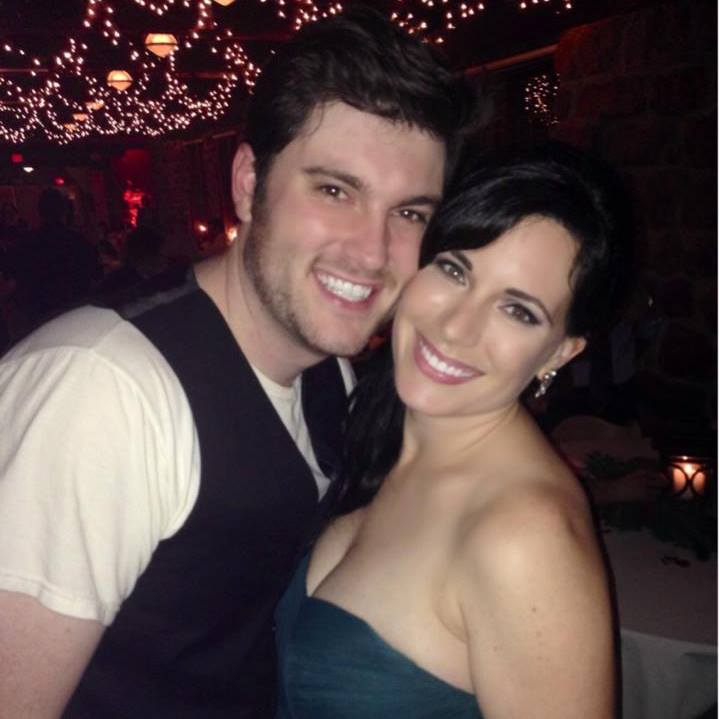
Mary and Blake Larsen are the husband-and-wife team behind Mary & Blake Media. Together, we explore television, film, books, theater and fandom through character, dramatic structure, emotional consequence and the conversations that continue after the curtain falls.
Meet Mary & Blake →
Pull Up A Chair
The Curtain Falls. The Conversation Doesn’t.
If you like talking about why stories work, why characters make the choices they do and why some performances refuse to leave your head long after the final note, join us inside the Nerd Clan for bonus podcasts, deeper analysis and the rest of the Mary & Blake kitchen table.
Join The Nerd Clan →
Hamilton endures because its history never remains abstract. History becomes character, character creates conflict, and conflict forces choices whose consequences continue long after the final shot is fired. Rise Up follows that transformation from biography into drama and toward the question shadowing the entire musical: who controls the story after we are gone?

 Patreon
 Apple Podcasts
 Stitcher
 Spotify
 Google Podcasts
 iHeartRadio