Scriptnotes

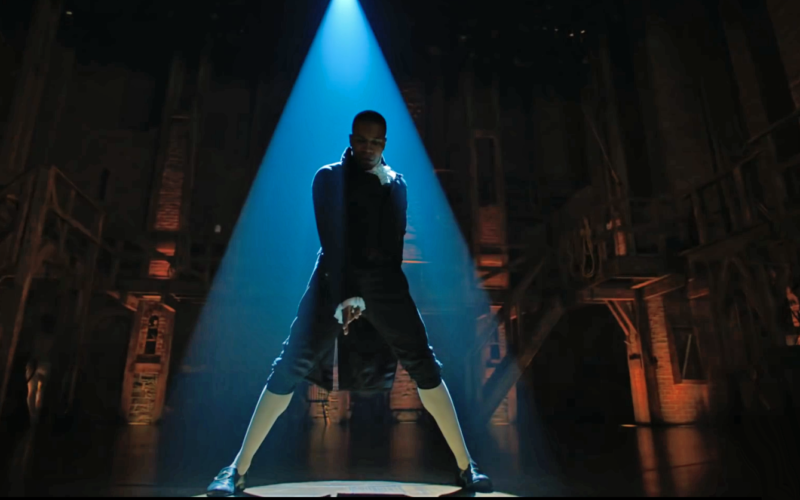
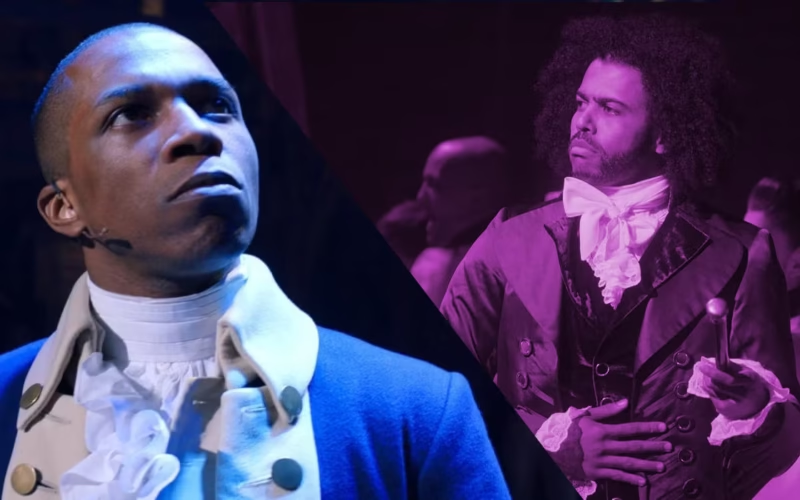
Why Did Hamilton Choose Jefferson Over Burr In The Election Of 1800?

Why did Hamilton choose Jefferson over Burr in the Election of 1800? Mary and Blake explain why Hamilton trusted a principled political enemy more than Burr’s flexible pursuit of power—and how that choice drives their relationship toward the duel.

Read More
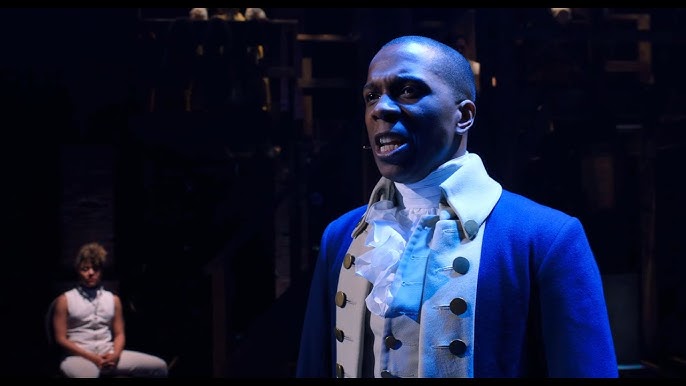
“Wait For It” Meaning: Why Aaron Burr Chooses Patience

What does “Wait For It” mean in Hamilton? Mary and Blake explain how love, loss, survival and control shape Aaron Burr’s philosophy—and why the patience that protects him eventually becomes the weakness that destroys him.

Read More

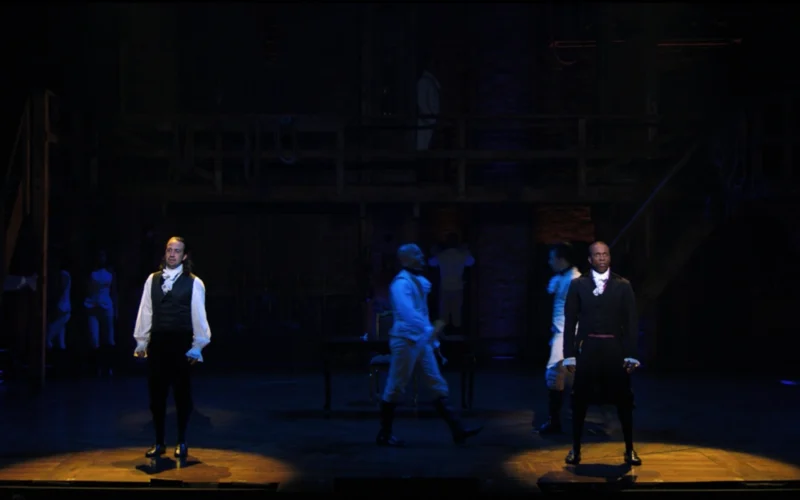
Did Hamilton Throw Away His Shot? Why The Final Duel Completes The Musical

Did Hamilton throw away his shot? Mary and Blake examine what Hamilton wrote before the duel, why the historical sequence remains disputed, and how his final act of restraint completes the musical’s tragedy.

Read More

“The Room Where It Happens” Meaning: How Aaron Burr Changes

What does “The Room Where It Happens” mean in Hamilton? Mary and Blake explain how political exclusion transforms Aaron Burr’s desire, exposes the limits of patience, and sets him on the path toward power, rivalry, and the duel.

Read More

“Your Obedient Servant” Meaning: How Politeness Becomes A Weapon

What does “Your Obedient Servant” mean in Hamilton? Mary and Blake explain how formal politeness, wounded honor, competing ideas of legacy and a series of escalating choices push Hamilton and Burr toward the duel.

Read More

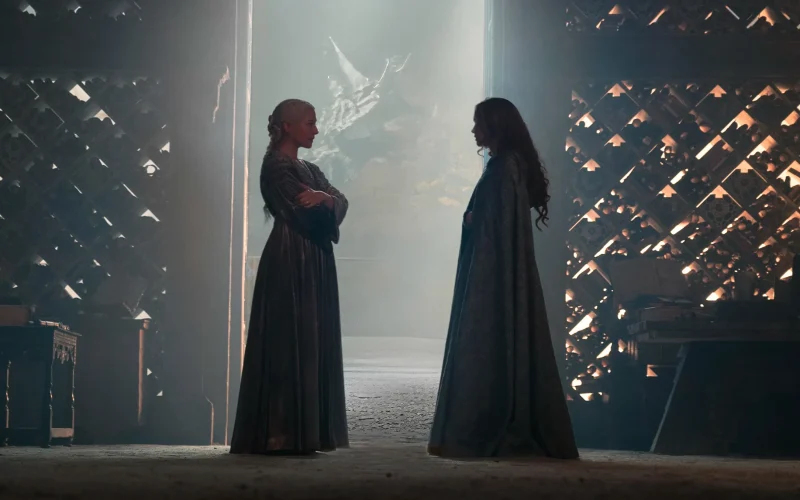
House Of The Dragon Season 2 Ending Explained: Why The Finale Betrays Its Own Build-Up

The House of the Dragon Season 2 finale does not fail because nothing happens. It fails because its strongest consequences are deferred. Here’s why the ending betrays its own build-up — and what it sets up for Season 3.

Read More